City Guides
Where to Stay in Sanur: Beaches, Harbour, and Day Trips
A practical guide to where to stay in Sanur: calm beaches, the harbour boats to Nusa Penida, temples, and the best areas for first timers.
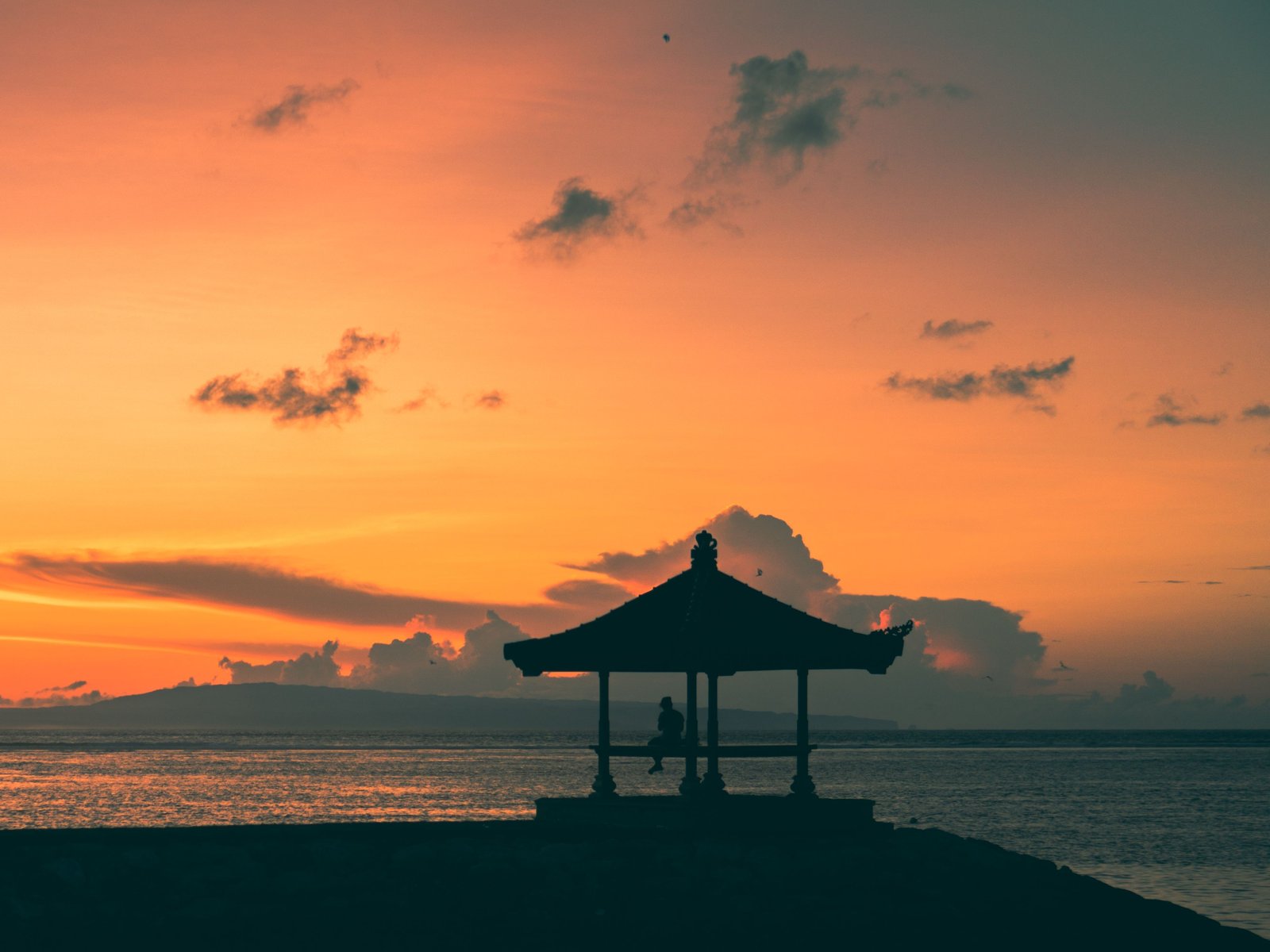
Sanur is the calm side of south Bali. It sits on the east coast, facing the sunrise, with a reef-protected lagoon instead of surf, a paved beachfront path instead of a traffic-choked strip, and a pace that suits slow mornings. While Seminyak, Canggu, and Kuta Beach compete for attention on the west coast, Sanur has quietly kept the things that made Bali appealing in the first place: fishing boats pulled up on the sand, temples a short walk from the beach, and warungs that have served the same dish for decades.
This is also the practical base for the Nusa islands. Almost every fast boat to Nusa Penida and Nusa Lembongan leaves from Sanur Harbour, so many visitors pass through Sanur for a night on the way to the islands and wish they had stayed longer. This guide covers where to stay in Sanur by area, what the beaches are actually like, how the harbour works, and the temples, museum, and food worth planning around. For the wider trip, including how to split your nights between the coast and the interior, start with the guide to where to stay in Bali.
At a glance
- Location: on the southeast coast of Bali, in South Denpasar, about 14 to 16 km by road from Ngurah Rai International Airport (DPS).
- Getting there: usually 30 to 60 minutes by car from the airport, 20 to 30 minutes when traffic is light, and up to 90 minutes at peak times. Prices and times change, so check before you travel.
- Character: quiet, flat, and walkable. An older, more settled crowd than Canggu or Seminyak, with many families and long-stay visitors.
- Beach: a reef-protected lagoon with calm, shallow water, best at high tide. No surf. The coast faces east, so sunrises are the main event.
- The promenade: a paved beachfront path of about 5 km, from Jl. Hang Tuah in the north to Mertasari Beach in the south. No cars or motorbikes on the path itself.
- Harbour: Sanur Harbour, at the north end, is the main departure point for fast boats to Nusa Penida and Nusa Lembongan.
Where to stay in Sanur
Sanur stretches about 5 km along the coast, and the right area depends on how much walking you want to do and how much quiet you want at night. The beachfront is lined with resorts, the main street runs parallel a few minutes inland, and the harbour sits at the north end. There is no bad area, but the differences matter.
Sindhu and North Sanur
The north end, around Sindhu Beach and Jl. Hang Tuah, is the liveliest part of Sanur. The promenade here is busy with restaurants, shops, and cafes, the Sindhu Night Market fills up after sunset, and the large ICON Bali mall sits nearby. This is the best area if you want everything within walking distance and do not mind a livelier beachfront. Several of Sanur’s oldest and best-known stays are here, including the heritage bungalows of Tandjung Sari and the Bali Beach Hotel, which opened in 1966 as Bali’s first international hotel. The harbour is close, which is convenient for an early boat but means more traffic in the morning.
Central beachfront
The central stretch, along Jl. Danau Tamblingan, holds the big beachfront resorts, each with its own stretch of sand directly in front. Maya Sanur, Andaz Bali, and the Hyatt Regency sit here, set in large tropical gardens. This area suits travellers who want a resort base and plan to spend most of their time between the pool, the beach, and the promenade. Prices are the highest in Sanur, and the atmosphere is polished rather than local. The beach here is wide and well kept, with sun loungers and beachfront restaurants.
South Sanur and Mertasari
The southern end, toward Mertasari Beach, is the quietest part of Sanur. The promenade continues, but the crowds thin out, the sand is a lighter brown, and a mangrove forest edges the coast near the beach. A few boutique beachfront stays, including Puri Santrian, sit here. This area suits travellers who want quiet mornings and do not mind walking or cycling further for dinner. The Pura Dalem Pengembak temple, known for melukat purification rituals, sits in the mangroves just west of Mertasari Beach.
Jl. Danau Tamblingan, the main street
Jl. Danau Tamblingan is the main road running parallel to the beach through central Sanur, and it is the most budget-friendly place to base yourself. Guesthouses and mid-range hotels line the road and the side streets, and the beach is a 5 to 10 minute walk away depending on where you stay. The street itself is busy with restaurants, cafes, spas, and shops, and it is where much of Sanur’s evening life happens, including live music bars. If you do not have your own transport, this is a practical choice, since almost everything you need is on foot.
Near the harbour
Staying right by the harbour makes sense for one specific case: an early boat to the Nusa islands. Otherwise, there is less to do in the immediate harbour area, and the traffic around the port gets congested in the morning. Most travellers are better off staying further south along the beach and taking a short taxi or shuttle to the harbour on boat day.
The beaches and the promenade
The whole strip is Sanur Beach, and its beaches share one big advantage: the reef. A coral reef sits offshore along the whole strip, breaking the waves before they reach the sand and leaving a calm lagoon that is safe for children and weak swimmers. The trade-off is the tide. At low tide, the water pulls back a long way and exposes reef flats, so swimming is best around high tide. Check the tide times at your hotel before planning a swim, and wear sandals if you walk on the reef flats, since coral and stonefish are a real hazard.
The beaches run north to south, each with a slightly different feel:
- Sindhu Beach is the busy northern beach, with restaurants, the turtle conservation centre, and the night market nearby. It is a good sunrise spot, with fishing boats on the sand.
- Karang Beach is quieter, with beachfront restaurants and a relaxed pace. A good middle ground between busy and empty.
- Segara Ayu Beach sits in front of the central resorts, with wide sand and calm water. The beach here is well maintained and easy for families.
- Semawang Beach is a quieter stretch to the south, with fewer people and a local feel.
- Mertasari Beach is the southern end of the promenade, the quietest of the main beaches, with mangroves alongside and the Pengembak temple nearby.
The sunrise is the daily ritual. Sanur faces east, so the sun comes up directly over the ocean, usually between 5.30 and 6.00 am, lighting up the jukung fishing boats moored offshore. The promenade fills with walkers, joggers, and cyclists in the first two hours of daylight, then empties as the heat builds. If you only do one early morning in Sanur, make it this one.
Cycling is the best way to cover the promenade. The path is flat, paved, and closed to motor traffic, and rental bikes are available all along the beachfront and on Jl. Danau Tamblingan. Expect to pay around IDR 20,000 to 50,000 per day, or about IDR 25,000 per hour, usually in cash. Cycle slowly and give way to pedestrians, especially in the morning when the path is busiest. The path is also the main route for a longer ride south toward Mertasari and the mangroves, or north past the harbour toward Padang Galak Beach, where kitesurfing runs in the windy months from May to September.
Swimming deserves one honest warning. The lagoon is calm, but it is not a pool. Sea urchins and sharp coral sit on the reef flats at low tide, and the water is shallow enough that fins and boats share the same space near the harbour. Swim where other people swim, watch for boat traffic near the harbour end, and skip the water at the lowest tide.
Sanur Harbour and the island boats
Sanur Harbour is the reason many travellers come to Sanur at all. Almost every fast boat to Nusa Penida and Nusa Lembongan leaves from here, and on a busy morning the harbour area fills with passengers, luggage, and boat company counters. The harbour sits at the north end of the beachfront, on Jl. Sanur Beach Street Walk, and it operates roughly from 7.00 am to 5.00 pm.
Boats to Nusa Penida take 25 to 45 minutes depending on the operator and the sea, with the first departures around 7.30 am and the last around 3.30 pm. There are many operators and many sailings each day, but schedules and prices vary by company and season, so check the operator directly before you travel. As a rough range, one-way tickets usually cost around IDR 150,000 to 250,000. Boats to Nusa Lembongan take about 30 minutes, with departures through the day including morning, early afternoon, and late afternoon sailings, at roughly IDR 200,000 to 300,000 one way depending on the operator. Book ahead in high season, arrive at least 30 minutes before departure for check-in, and keep your ticket and ID handy, since counters are spread along the harbour front and it is easy to queue at the wrong one.
If you are staying on Nusa Penida, Sanur is the natural gateway, and the island rewards more than a day trip. For what to do once you land, including where to base yourself and how to get around an island with no ride-hailing, read the guide to where to stay in Nusa Penida. The same harbour also serves Nusa Lembongan, which is smaller, flatter, and easier to cover in a day, and connects onward to Nusa Ceningan by the yellow bridge.
One practical note: the harbour area is congested in the morning, and the walk from the drop-off point to the boats crosses sand and shallow water at some counters. Wear shoes you can get wet, keep luggage to what you can carry, and allow extra time if you have an early sailing. If your boat is cancelled for bad weather, operators usually rebook you on the next sailing, but same-day alternatives are limited, so do not plan a tight flight connection on boat day.
Temples and the museum
Sanur’s history is older than its hotels. Two temples and one small museum give the town a depth that the beach towns on the west coast do not have, and all three are easy to reach on foot or by bicycle.
Blanjong Temple, or Pura Blanjong, sits in Banjar Blanjong in southern Sanur, on Jl. Danau Poso, about 4 km from the main beach. It is a small, active temple, and its importance is not visual but historical. Inside the grounds stands the Blanjong Pillar, a 177 cm andesite stone pillar that holds the oldest written record ever found in Bali. The inscription is dated to the year 835 Saka, in the early 10th century, with sources giving 913 or 914 CE, and it was issued by King Sri Kesari Warmadewa as a victory monument. It is written in two languages, Old Balinese and Sanskrit, and two scripts, and it contains the first written mention of Bali under its old name, Walidwipa, along with claims of victory over Gurun, believed to be Nusa Penida, and Swal, believed to be Ketewel. The pillar was rediscovered in 1932 and now sits in a glass-roofed pavilion about 10 to 15 metres to the left of the main temple structure. Local folklore says the name Blanjong comes from belahan, meaning fragments, and ngenjung, meaning fishing boat, after a shipwreck on this coast. This is a working temple, not a museum, so wear a sarong, keep your voice down, and do not enter restricted areas.
Pura Dalem Pengembak sits in a mangrove forest just west of Mertasari Beach, on Jl. Pengembak. It is a small, quiet temple known for melukat, the Balinese purification ritual using holy water from a spring-fed well inside the grounds. According to local tradition, the temple was founded in the early 19th century, and melukat has been performed here since the 1920s. The temple is closely linked to Ratu Gede Nusa, the mythical ruler of Nusa Penida, and it draws Balinese Hindus seeking cleansing and healing, especially on full moon days and holy days. Visitors are welcome to observe, but this is an active place of worship first. Dress modestly, wear a sarong, and follow the guidance of the temple guardian if you want to take part in a ritual. Do not treat it as a photo stop.
The Le Mayeur Museum is the former beachfront home and studio of Belgian painter Adrien-Jean Le Mayeur de Merpres (1880 to 1958), at the beach end of Jl. Hang Tuah in North Sanur. The small house holds around 80 of his paintings across three rooms, and a visit takes under an hour. It is a quiet, slightly faded place, and that is part of its charm. One warning: sources disagree about the opening hours and the entrance fee, with hours variously listed as 8.00 am to 3.30 pm or 8.00 am to 4.30 pm, different closing days, and fees ranging from IDR 50,000 to IDR 100,000 depending on when the report was written. Do not rely on a single figure. Check locally before you go, bring cash, since reports mention cash-only payment, and go in the morning when the museum is most likely to be open.
Eating in Sanur
Sanur eats well without trying hard. The main street and the beachfront are lined with warungs, cafes, and restaurants, and the town’s long history as a settled community means the food scene leans local and unpretentious rather than fashionable. Two places are worth planning around.
Warung Mak Beng, at Jl. Hang Tuah No. 45 in North Sanur, has served exactly one set menu since 1941: white rice, fried fish, fish head soup, and sambal. That is the whole menu, and it is the point. The fish is usually skipjack tuna or red snapper, the soup is sour, spicy, and clear, and the set is famously good value. Hours are listed as 8.00 am to 10.00 pm daily in the most recent reports from October 2026, though an older tourism listing gives 8.00 am to 5.00 pm, so check before a late visit. Prices have moved over time, from IDR 45,000 to IDR 55,000, and reports from late 2026 put the set at around IDR 70,000. Check the price at the counter, since it changes. The warung gets very busy at lunch, so arrive around 11.30 am for a shorter queue. A second branch opened in Kesiman in July 2026, but the Sanur original is the one in this guide.
The Sindhu Night Market, at Jl. Pungutan No. 2 near the north end of Jl. Danau Tamblingan, is the same site as the daytime wet market, transformed after sunset. The morning market, with around 150 stalls selling fruit, vegetables, flowers, and offerings, winds down by about 8.00 am. From late afternoon, around 5.00 pm to 6.00 pm, food carts roll in, and the market becomes a street food hub until about 10.00 pm. Expect sate lilit, martabak, bakso, nasi goreng, and fresh fruit juice, mostly cash-only, at budget prices. Go early in the evening for the fullest choice, since popular stalls sell out, and break large notes beforehand, since change can be hard to come by.
Beyond those two, the beachfront restaurants along the promenade are reliable for sunset dinners, and Jl. Danau Tamblingan has the widest choice for cafes, bakeries, and international food. Sanur is also a good place to try Balinese food without the beach club markups of the west coast. For a wider look at what to order across the island, the food coverage on this site will grow in later batches, starting with the Indonesian food guide.
Getting around Sanur
Sanur is flat, compact, and easy without a car. Most visitors walk or cycle for everything inside the town and only take a car for the airport, Ubud, or a day trip. The full picture, including scooter rules, ride-hailing zones, and boat connections across Bali, is covered in the guide to how to get around Bali. The Sanur specifics:
- Walking: the promenade and Jl. Danau Tamblingan cover almost everything. The walk from the harbour to Mertasari takes about an hour at a strolling pace.
- Cycling: the best way to cover the whole strip. Rentals run about IDR 20,000 to 50,000 per day, usually cash. The beachfront path is closed to motor traffic, but give way to pedestrians.
- Scooter: useful for reaching Blanjong Temple and the south end quickly. The same rules apply as everywhere in Bali: a motorcycle licence plus a motorcycle-category international driving permit, a helmet, and never leave your original passport as a deposit. Fines are common, and insurance is usually void without the right licence.
- Taxi and ride-hailing: Blue Bird metered taxis and Grab and Gojek all operate in Sanur, and pickups are straightforward compared with parts of Canggu. Agree on the fare or check the meter before you leave.
- To the airport: 14 to 16 km by road, 30 to 60 minutes typically, 20 to 30 minutes when traffic is light. A metered taxi usually costs around IDR 150,000 to 250,000, while the airport counter charges a fixed price of around IDR 200,000 to 350,000. The Kura-Kura Bus also runs between Kuta and Sanur for around IDR 100,000. Check current prices before you travel.
- To Ubud: about 21 to 31 km by road depending on the route, and a realistic 45 minutes to 1.5 hours depending on traffic. Do not trust the 21 minute figure some route planners show, since Bali traffic rarely allows it.
Day trips from Sanur
Sanur’s location makes it a strong base for day trips in every direction, and the harbour gives it one option no other south Bali town has.
- Nusa Penida: the classic day trip, 30 to 45 minutes by fast boat. Kelingking Beach, Broken Beach, and Angel’s Billabong are the headline stops on the west coast, but the island’s roads are rough and the day is long, so an early boat and a driver on the island work better than a scooter for first timers.
- Nusa Lembongan: smaller and flatter than Penida, about 30 minutes by boat, with mangrove tours, Devil’s Tear, and Dream Beach. Easy to cover in a day, and it connects to Nusa Ceningan by the yellow bridge.
- Ubud: 45 minutes to 1.5 hours inland, for the Monkey Forest, the Campuhan Ridge Walk, and the rice terraces. A good contrast to Sanur’s beach days, and the reason many visitors split their stay between the two.
- Denpasar: Sanur is part of Denpasar city, so the Bali Museum, the Bajra Sandhi monument, and the Badung market are a short drive away for a half day of city culture. Check opening hours before you go, since museums keep shorter hours than the beach.
- Jimbaran Beach: about 45 minutes to an hour west, a calm bay with the island’s best sunset seafood dinners on the sand. The guide to Jimbaran Beach covers the beach, the cafes, and where to stay.
- Turtle releases: seasonal, usually April to September. The Sindu Dwarawati conservation centre at Sindhu Beach and the Sea Turtle Village at the Hyatt Regency protect nests and release hatchlings, but releases happen on nature’s schedule and are announced at short notice. Ask locally, and never handle a turtle unless staff invite you to.
A two-day Sanur outline
This outline assumes Sanur is one stop in a longer trip. For the full five-day shape, including how Sanur fits with Ubud and the west coast, see the Bali itinerary 5 days in the Bali first-timer guide.
Day 1, Sanur itself: sunrise walk or cycle on the promenade, breakfast near Sindhu Beach, a swim around high tide, and a slow afternoon visiting Blanjong Temple and the Le Mayeur Museum. Late afternoon at Mak Beng for an early dinner, then the Sindhu Night Market for snacks and a wander.
Day 2, the islands or Ubud: an early fast boat to Nusa Penida for the west coast highlights, back in Sanur by late afternoon, or a full day in Ubud for the Monkey Forest and the rice terraces, returning to Sanur for a quiet dinner on the beachfront. If you have a third day, take the other option, since both deserve a full day.
Common mistakes
- Swimming at the lowest tide and finding only reef flats. Check the tide times and plan swims around high tide.
- Staying by the harbour for the whole trip. The harbour area is practical for one night before an early boat, but the best beaches and food are further south.
- Trusting a single figure for the Le Mayeur Museum hours or fee. Sources disagree, so check locally and bring cash.
- Planning a tight flight connection on boat day. Boats can be cancelled for bad weather, and the next sailing may be hours later.
- Treating Blanjong Temple and Pengembak Temple as photo stops. Both are active places of worship. Dress properly, keep quiet, and follow local guidance.
- Renting a scooter without the right licence. The rules are the same in Sanur as everywhere in Bali, and a crash without a valid licence usually voids insurance.
Checklist
- Hotel chosen by area: Sindhu for lively, central beachfront for resorts, south for quiet, main street for budget.
- Tide times checked for swimming days.
- Boat tickets booked ahead for high season, with 30 minutes allowed for check-in.
- Cash ready for the night market, bike rental, and the museum.
- Sarong packed or ready to borrow for temple visits.
- Sunscreen, a hat, and sandals for the reef flats.
- Airport transfer time allowed: 30 to 60 minutes, more at peak times.
- Travel insurance that covers scooter riding if you plan to ride, with the right licence.
FAQ
Is Sanur good for families with young children?
Yes, Sanur is one of the best bases in Bali for families. The reef-protected lagoon is calm and shallow, the promenade is flat and traffic-free, and the beaches have gentle sand with restaurants close by. The calm water and the absence of surf are the main reasons families choose Sanur over the west coast. Watch the tides, since low tide exposes the reef flats, and keep children away from boat traffic near the harbour.
How long does it take to get from the airport to Sanur?
The road distance is 14 to 16 km. The drive usually takes 30 to 60 minutes, 20 to 30 minutes when traffic is light, and up to 90 minutes at peak times. A metered taxi usually costs around IDR 150,000 to 250,000, while the airport counter charges a fixed price. Check current prices before you travel, since fares change.
Can I take a day trip to Nusa Penida from Sanur?
Yes, Sanur Harbour is the main departure point for fast boats to Nusa Penida. The crossing takes 25 to 45 minutes, with many sailings a day from around 7.30 am. Book ahead in high season, arrive 30 minutes early for check-in, and do not plan a tight flight connection on the same day, since boats can be cancelled for bad weather.
What is there to do in Sanur besides the beach?
The Blanjong Temple holds Bali’s oldest written inscription, the Pura Dalem Pengembak is a quiet melukat temple in the mangroves, and the Le Mayeur Museum shows the work of a Belgian painter in his former beachfront home. The Sindhu Night Market fills the evenings with street food, and the turtle conservation centre at Sindhu Beach runs seasonal hatchling releases. The promenade itself, cycled end to end, is a half-day activity on its own.
When is the best time to visit Sanur?
The dry season, April to October, brings the most reliable sunshine and the calmest seas. Sanur works year-round, since the town is quiet and the museum, spas, and restaurants do not depend on the weather. For the sunrise, which is Sanur’s signature, any month works, since the coast faces east. The turtle release season runs roughly April to September, but releases are irregular and announced at short notice.
Sanur does not shout. It is the town you choose when you want the beach without the scene: a sunrise walk, a swim in calm water, a temple older than most of Bali’s history, and dinner at a warung that has served one dish since 1941. Stay two or three nights, use it as the door to the Nusa islands, and leave with the feeling that south Bali still has a quiet side.