City Guides
Bali Travel Guide for First Timers: Where to Stay
A practical Bali travel guide for first timers: where to stay, how to get around, a 5-day itinerary, and what to check before you fly.
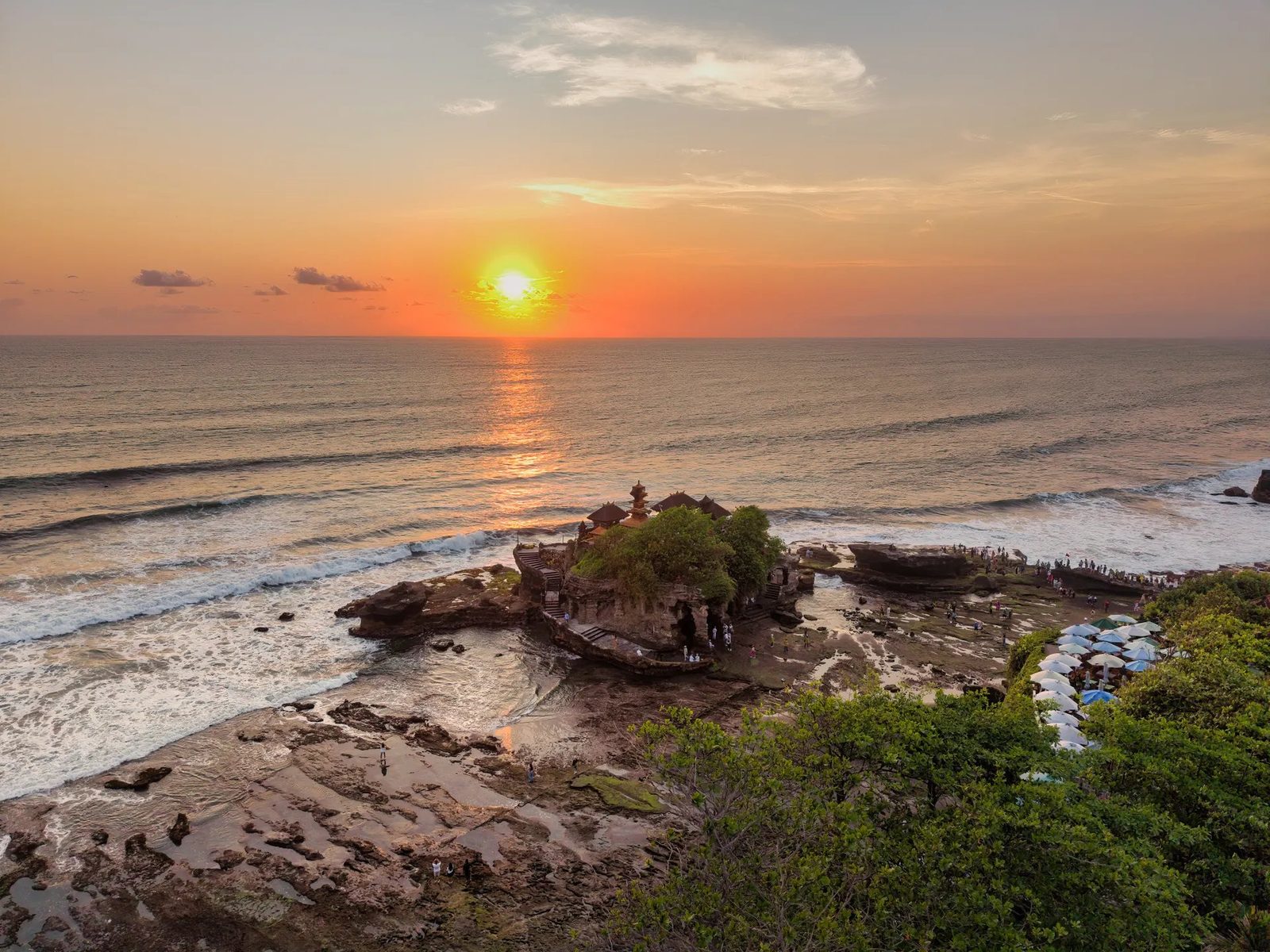
Bali is small enough to plan in a week and varied enough that where you stay changes the trip. The south coast, the interior around Ubud, and the Bukit Peninsula feel like different places, and traffic between them can be slow. This guide helps first-time visitors choose a base, plan a simple route, and check the practical details before flying.
At a glance
- Gateway airport: I Gusti Ngurah Rai International Airport (DPS), near Denpasar in the south.
- Time zone: WITA, UTC+8. Bali does not use daylight saving time.
- Currency: Indonesian rupiah (IDR). Carry some cash for markets, small warungs, and temple donations. Cards are widely accepted in larger hotels and restaurants.
- Dry season: generally April to October. Wet season: generally November to March, with short, heavy showers that often clear.
- A good first trip: 5 to 7 days, split between two bases, one on the south coast and one in Ubud.
Before you go: entry, money, and health basics
Check entry rules for your nationality on the official Indonesian immigration portal before you book. Rules change, and a guide written months earlier can be out of date.
- Your passport should be valid for at least 6 months from arrival, and you may be asked for a return or onward ticket.
- Many visitors from outside ASEAN use a visa on arrival or an e-VOA. The stay is commonly 30 days and can usually be extended once for another 30 days. A separate visa-free entry exists for a limited list of nationalities, including ASEAN member states, and that stay is 30 days and cannot be extended. Do not assume you are on the visa-free list. Check which route applies to you.
- International visitors also pay the Bali tourist levy. At the time of writing it is IDR 150,000 per entry. Pay only through the official Bali provincial government site, and keep the receipt or QR code. Lookalike sites charge more.
- Complete the All Indonesia arrival declaration online before you fly, if it applies to your arrival. Keep the QR code on your phone.
- Get travel insurance that covers medical care. If you plan to ride a scooter, check that your policy covers it and that your licence covers it. Many standard policies do not.
- Do not drink tap water. Drink bottled or filtered water, and be careful with ice from unknown sources. If you get an upset stomach, rest, drink fluids, and seek medical care if symptoms persist.
When to go
April to October is the usual dry-season window, with clearer skies and calmer seas. July and August are the busiest months, with higher prices and larger crowds. April, May, September, and October are shoulder months: often still dry, with fewer visitors.
November to March is wetter and greener. Rain often comes in short bursts rather than all-day rain, and prices and crowds are lower. Some boat crossings and outdoor activities are more affected by weather in this season, so keep plans flexible.
Bali observes Nyepi, the Day of Silence. The date changes each year. On Nyepi, the island largely pauses, including flights and most activity. Check the date before you book, and do not plan an arrival or a long transfer on that day.
Where to stay: choose by what you want to do
Do not try to see the whole island from one hotel. Daily drives from a single base add hours in traffic. A split stay works better for most first-time visitors.
Seminyak. Polished south-coast base with restaurants, shops, and beach clubs. Close to the airport. Good if you want easy dining and a sunset on Seminyak Beach without a long drive on arrival day. See where to stay in Seminyak for the areas, the beach, and the beach clubs.
Canggu. Surf at Canggu Beach, cafes, and rice-field views just north of Seminyak. More spread out, and traffic on the main roads can be heavy at peak times. Good for surfers and for a slower cafe-based stay. See where to stay in Canggu for the areas, surf, and beach clubs.
Ubud. Inland town in the hills, known for temples, rice terraces, craft villages, and art. No beach, but the best base for culture, nature walks, and day trips to the interior. Mornings are cooler than the coast.
Uluwatu and the Bukit Peninsula. Cliffs, quieter beaches reached by steps, and well-known surf breaks. Drier and more spread out than the rest of the south. Good for a calm stay with sea views, less good if you want to walk to many restaurants.
Nusa Dua Beach and Sanur. Calmer, more resort-style coasts. Sanur Harbour is also the usual departure point for fast boats to Nusa Penida and the Gili Islands. Good if you prefer a quiet beach and an easy boat departure.
A simple split: 2 or 3 nights on the south coast, then 2 or 3 nights in Ubud. Move in the late morning, after checkout, so the transfer does not eat a full sightseeing day.
Getting around
Distances look short on a map. Traffic decides the real time. The airport to Seminyak is often around 25 minutes, to Canggu around 35 minutes, to Uluwatu around 45 minutes, and to Ubud around 1 hour, but each can take much longer at peak times. Allow extra time for every transfer, especially to the airport on departure day.
- Ride-hailing apps such as Grab and Gojek are widely used for short trips. Fares vary with distance and demand. Agree on the pickup point in advance, because some areas have restricted pickup zones.
- A private driver by the day is common for temple and sightseeing days. Agree on the total price, the hours, and what is included before you leave. Ask whether parking and fuel are included.
- Scooters are everywhere, and they are also the most common cause of visitor injuries. Only ride if you are experienced, licensed, and insured for it. Wear a helmet, avoid riding at night on unfamiliar roads, and do not ride after drinking.
- Walking works inside a single area such as central Ubud or Seminyak, but main roads often have narrow or missing footpaths. Do not assume you can walk safely between areas.
- For the full picture, including airport arrival, licence rules, buses, and boats, see how to get around Bali.
A simple 5-day outline for a first visit
This is an example, not a fixed schedule. Swap days around based on weather and where you stay.
Day 1, south coast. Arrive, settle in, and stay near your hotel. Walk the beach at sunset and eat nearby. Keep day 1 light after a flight.
Day 2, Uluwatu. See where to stay in Uluwatu for the areas and beaches, then visit Uluwatu Temple in the late afternoon, watch the sunset, and see a Kecak dance if one is scheduled. Keep belongings secure around monkeys, and do not feed them.
Day 3, move to Ubud. Transfer in the late morning. Walk the Campuhan Ridge Walk in the early morning or late afternoon, visit the Ubud Art Market, and visit a rice terrace such as Tegalalang Rice Terrace if you have time.
Day 4, Ubud and temples. Visit temples and craft villages around Ubud, or take a day trip to a waterfall. Start early to avoid the midday heat and crowds.
Day 5, flexible day. Use it for a cooking class, a spa visit, a beach return, or a day trip to Nusa Penida by fast boat from Sanur if the sea is calm. If you go to Nusa Penida, allow a full day and check boat times and weather in advance.
Temples and etiquette
Temples are places of worship, not only photo stops. Cover your shoulders and knees. Sarongs are often available at temple entrances, sometimes for a small rental or donation. Remove shoes where asked, keep voices low during ceremonies, and ask before photographing people at prayer.
Entrance fees, donations, and dress rules vary by temple. Bring small cash, a hat, sunscreen, and water. There is often little shade.
If a ceremony is taking place, watch from the side and do not walk through it. If you are unsure where visitors may stand, ask a local guide or temple staff member.
Money, phones, and packing
- ATMs are common in tourist areas. Tell your bank you are travelling, and carry a backup card if you can.
- A local SIM card or eSIM is useful for maps and ride-hailing. Buy from an official seller and keep your passport details ready if registration is required.
- Pack light layers for Ubud evenings, rain protection in any season, reef-safe sunscreen if you plan to swim, and a reusable water bottle. Power plugs in Indonesia are type C and F, the same two-round-pin plugs used in much of Europe.
- Keep valuables in your hotel safe, and carry only what you need for the day.
Common first-time mistakes
- Staying in one place and driving across the island every day. Split your stay.
- Underestimating traffic. A 20 kilometre drive can take over an hour.
- Riding a scooter without experience, a licence, or insurance cover.
- Planning an arrival or transfer on Nyepi without checking the date.
- Paying the tourist levy or a visa fee on a lookalike website. Use official portals only.
- Assuming every beach is swimmable. Some south-coast beaches, including Kuta Beach, have strong currents. Swim where locals swim, and follow local warnings and flags.
Checklist before you fly
- Passport valid for at least 6 months, and a return or onward ticket.
- Visa route checked on the official immigration portal for your nationality.
- Bali tourist levy paid through the official site, receipt saved.
- Arrival declaration completed, if required.
- Travel insurance, including scooter cover if you plan to ride.
- Hotel addresses saved offline, and airport transfer arranged or pickup point agreed.
- Cash in rupiah, a backup card, and a charged phone with maps saved offline.
Frequently asked questions
Short answers to the questions first-time visitors ask most often.
When is the best time to visit Bali?
April to October is the usual dry-season window, with clearer skies and calmer seas. April, May, September, and October are shoulder months, often still dry with fewer visitors. Whatever month you choose, check the Nyepi date before you book, because flights pause and the island largely pauses with them.
How many days do you need in Bali for a first visit?
Five to seven days. Five days is enough for the south coast and Ubud, with one slower day built in. Split your stay between two bases, one on the south coast and one in Ubud, so you spend less time in traffic and more time where you actually want to be.
Do I need a visa for Bali, and do I have to pay the tourist levy?
It depends on your nationality, so check the official Indonesian immigration portal before you book. Many visitors use a visa on arrival or an e-VOA, commonly 30 days and usually extendable once for another 30 days, while visa-free entry covers a limited list of nationalities and cannot be extended. International visitors also pay the Bali tourist levy, IDR 150,000 per entry at the time of writing, and you should pay only through the official Bali provincial government site.
Where should first-timers stay in Bali?
Choose by what you want to do, not by a single hotel name. Seminyak and Canggu suit beach and cafe days on the south coast, Ubud suits temples, rice terraces, and craft villages inland, and Uluwatu, Nusa Dua, and Sanur suit quieter stays with sea views. A simple split is 2 or 3 nights on the south coast, then 2 or 3 nights in Ubud.
How do you get around Bali without a scooter?
Ride-hailing apps such as Grab and Gojek work well for short trips inside one area. A private driver by the day is the usual choice for temple and sightseeing days, and you should agree on the total price, the hours, and what is included before you leave. Walking works inside a single area such as central Ubud or Seminyak, but do not assume you can walk safely between areas, because main roads often have narrow or missing footpaths.
Bali rewards a simple plan: two bases, early starts, and time left open for weather and traffic. Book the essentials early in peak months, keep one or two days flexible, and let the island set the pace.